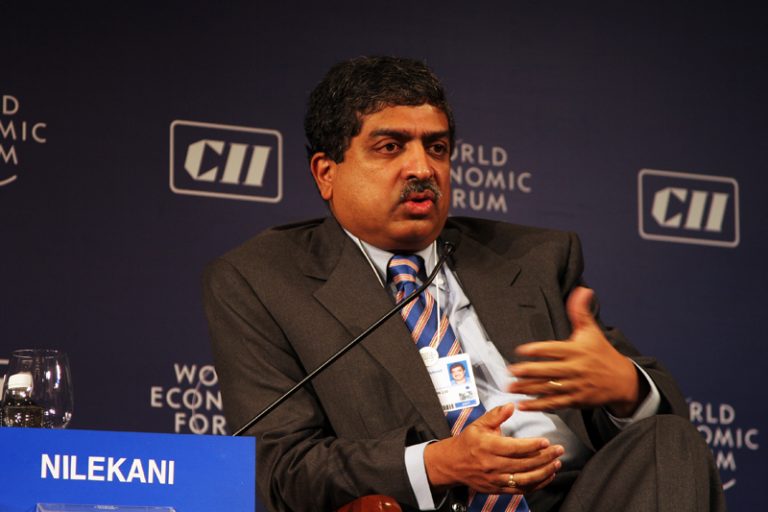

Nandan Nilekani, Chairman and Co-Founder of Infosys and Founding Chairman of UIDAI (Aadhaar), highlights India’s remarkable digital transformation and its impact on the nation’s economic growth. He emphasizes that India accomplished in just nine years what would have taken 47 years using traditional methods.
This profound transformation has been driven by technology and has established a robust digital public infrastructure that serves various essential purposes for Indian citizens. This includes providing digital identities, promoting financial inclusion, delivering targeted benefits to vulnerable populations, advancing digital education and healthcare, and facilitating government services, among others.
According to Nilekani, this digital revolution has been pivotal in India’s rapid progress, stating, “Over the last several years, India has transformed in many ways, and this digital transformation is at the heart of economic growth.”
He specifically mentions the inception of Aadhaar, a unique identification system, as a significant milestone. Aadhaar has provided a digital identity to 1.3 billion Indians, enabling online identity verification through fingerprint, iris scan, OTP (one-time password), and facial recognition. This system processes a staggering 80 million transactions daily, showcasing its extensive usage for online verification.
The Aadhaar-based Know Your Customer (KYC) process has become a mandatory requirement for opening bank accounts and obtaining mobile connections. Building upon these foundations, India has introduced various services such as digital lockers, digital signatures, and the Unified Payment Interface (UPI) for instant mobile payments.
These digital initiatives, implemented between 2014 and 2016, played a vital role in helping India navigate the challenges posed by the COVID-19 pandemic. They facilitated the transfer of $4.5 billion to the bank accounts of 160 million beneficiaries and the distribution of 2.5 million vaccinations in just two years. Additionally, Indians could obtain real-time vaccine certificates on their mobile devices.
Nilekani emphasizes that India’s digital infrastructure model is unique, collaborative, equitable, and built on the principle of providing opportunities to everyone in the country, regardless of their location. This model has gained global recognition, with influential figures like Bill Gates and organizations like the IMF acknowledging India’s contribution to digital public infrastructure. Consequently, there is a significant initiative to export this model to 50 countries within the next five years.
India’s Digital Stack and its inclusive growth model have enabled people to become integrated into society, obtain bank accounts, access mobile services, find employment, and utilize their data. The world has taken note of these achievements, and many countries are now adopting similar approaches.